

Wireless radiation and electromagnetic fields (EMF) are a rapidly increasing environmental exposure.
Cell phones, cell towers, and wireless devices emit radiofrequency radiation, a type of EMF. Government limits are decades old. Scientists are calling for safeguards to protect human health and wildlife.
Our Work
We are leading the way towards a safe technology future.
The Wireless and EMF Program at Environmental Health Sciences aims to:
- Advance scientific understanding of the health
and environmental impacts from exposure. - Support science-based, protective regulations
and transparent oversight. - Promote innovative solutions that mitigate health and environmental risk.




Watch Now
Linda Birnbaum PhD, former director of the National Institutes of Environmental Health and the National Toxicology Program, dives into the science behind EMF’s health impacts, the “clear evidence” of cancer findings in the NIH animal study, the increased vulnerability of children and pregnant women, and the actions needed to reduce cell phone exposure.
FAQ
- What is EMF?
Electromagnetic fields (EMFs) are ubiquitous in the modern world. They are invisible, energized waves composed of electric and magnetic fields. Growing research suggests artificially generated non-ionizing EMFs can have harmful effects on human health and the environment.
- How are we exposed to EMFs?
Scientists have focused on the health effects of two types of non-ionizing EMF:
- Wireless radiofrequency radiation, which is emitted by all wireless devices such as cell phones, tablets, laptops, smart devices, Bluetooth, cell towers, and 5G.
- Magnetic field extremely low frequency EMF (often referred to as just “EMF”), which is emitted by electronics, charging cords, and power lines.
Read about the science on the health risks of wireless radiation.
Read about the science on the health risks of magnetic fields.
- What are the health effects of exposure to EMF?
Studies have reported associations between exposure to EMF and cancer, genetic effects, decreased testosterone, sperm damage, memory problems, altered thyroid hormone levels, and altered neurotransmitters in the brain. Studies have also found impacts to wildlife, plants and trees.
Non-ionizing EMFs have been found to increase oxidative stress in the body. This can lead to inflammation, disrupting healthy functions and increasing the risk of chronic disease.
- How is EMF exposure regulated?
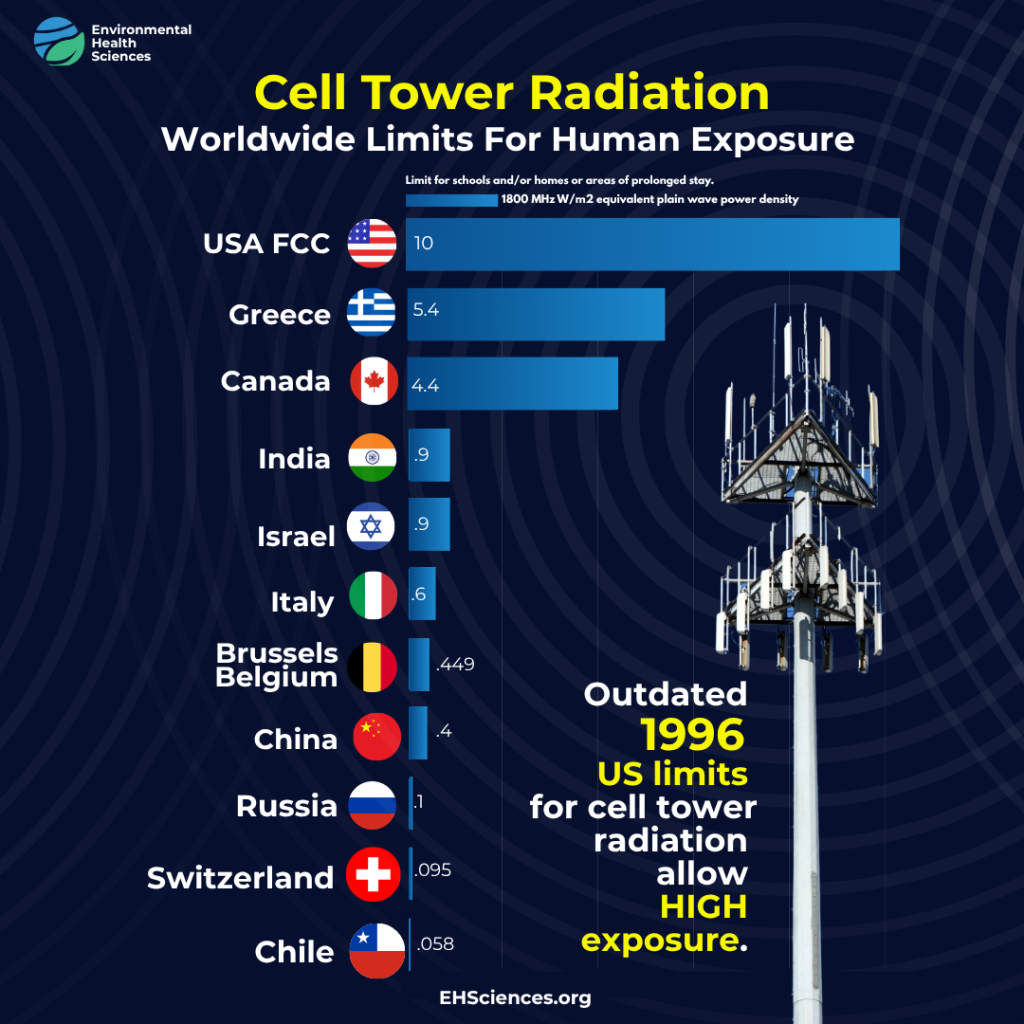
In the U.S., the Federal Communications Commission’s regulatory limits for wireless radiation exposure were set in 1996. Since that time, there has been no review of these limits to ensure they are based on up-to-date science. FCC limits only prevent short-term tissue overheating, ignoring biological effects and long-term exposure risks.
The U.S. does not have any limits for magnetic field EMF exposure, a serious regulatory gap.
- What do experts say?
Numerous scientific and medical organizations, including the American Academy of Pediatrics and California Department of Health, are calling for a scientific review of current regulations as well as public health advice to reduce exposure.
The New Hampshire State Commission issued a Report on 5G and wireless technology recommending cell towers be distanced from homes and schools. Click here to learn more about experts’ safety recommendations.
- What are some ways to reduce exposure?There are many simple ways to protect yourself.
-
Distance cell phones and wireless devices away from your head and body.
-
Do not carry cell phones in your pocket or bra.
-
Use speakerphone or wired airtube headphones for calls, and corded and ethernet tech rather than wireless or Bluetooth.
-
Turn your Wi-Fi off when it’s not in use.
The Santa Clara Medical Association issued Best Practices for Safe Technology in Schools , and the Maryland State Environmental Health and Protection Advisory Council provides Guidelines to Reduce Wireless and EMF.
-
Latest on EHN.org
EHN All about wireless radiation on EHN: Latest news and updates
- Electromagnetic radiation from power lines linked to hormone disruption

A recent review published by Tojza et al. in Applied Sciences examined the impacts of exposure to extremely low frequency electromagnetic radiation (ELF-EMF) – a type of non-ionizing radiation emitted by electric substations, power lines, appliances, and electronic devices- on the endocrine system, which regulates the body via hormones.
- The cloud has sound: The unrelenting and unseen cost of AI data centers

- Scientific review: Prenatal exposure to Wi-Fi radiation may impact neurodevelopment

According to a review published in Current Approaches in Psychiatry by Neriman Ezgin, increasing experimental evidence suggests that exposure to wireless radiofrequency (RF) radiation during pregnancy and early childhood may impact neurodevelopment and behavior.
- Study finds wireless EMF exposure disrupts bat behavior for hours

A recent study published by Lindecke et al. in Science found that brief exposures to wireless radiofrequency (RF) radiation, a type of electromagnetic field (EMF), disrupted flight navigation in bats for several hours beyond the exposure period.
- Study finds power line EMF impacts honeybees, pollination, and plant ecosystems

A 2023 study published in Science Advances by Molina-Montenegro et al. found that exposure to electromagnetic field (EMF) radiation emitted by high-voltage transmission power line towers induced significant physiological stress in honeybees and negatively impacted their pollination behavior.
- Majority of studies report human health impacts from cell tower radiation exposure
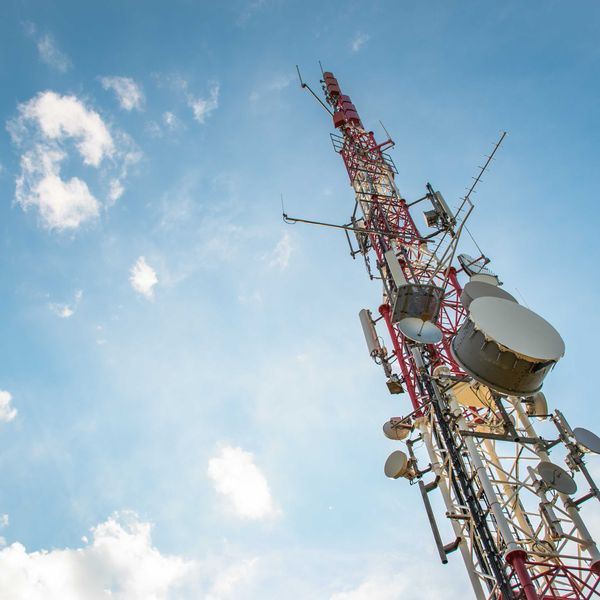
A 2022 review published by Alfonso Balmori in Environmental Research examined studies from 20 countries on people living near cell towers and cell antenna sites and found that the majority reported health effects such as cancer.
Image Credits (from left):
Test Tube Image: totojang1977 / Shutterstock.com
Brain Scan Image: Elif Bayraktar / Shutterstock.com
Cell Tower Image: SerdthongchaiI / Shutterstock.com